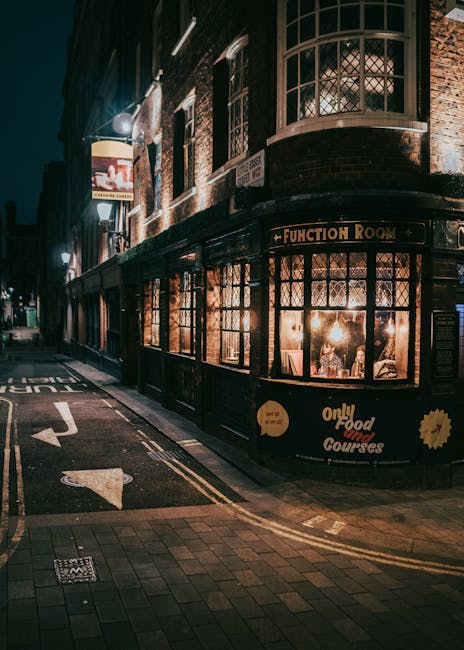
Removing smoke and odours from Marylebone pub carpets
Posted on 02/06/2026
Removing smoke and odours from Marylebone pub carpets: a practical guide for pubs, bars, and hospitality spaces
If you run a pub in Marylebone, you already know the problem. Smoke drifts in on coats, odours settle into carpet fibres, and by closing time the room can smell older than it looks. Removing smoke and odours from Marylebone pub carpets is not just about making the place smell nicer; it is about protecting the atmosphere, supporting hygiene standards, and keeping the room feeling welcoming for guests who notice everything, even if they never mention it aloud.
This guide explains what actually works, what tends to fail, and how to decide whether you can handle the issue in-house or need a deeper professional clean. It also covers timing, risks, common mistakes, and the small practical details that make a noticeable difference in a busy hospitality setting. Truth be told, carpets in pubs take a beating.
Why Removing smoke and odours from Marylebone pub carpets matters
Smoke and odours do not stay on the surface. They cling to carpet fibres, backing, underlay, skirting edges, and even the air in the room. In a pub setting, that matters because the carpet is part of the customer experience. It sits there quietly, but it shapes how the whole space feels.
Marylebone venues often aim for a polished, characterful look. Whether the pub is a traditional local, a dining-led bar, or a higher-end hospitality space close to busy streets and evening footfall, stale smoke can quickly spoil the first impression. A customer may not say, "the carpet smells smoky," but they will notice if the room feels heavy or unclean.
There is also a practical side. Odour build-up can make routine cleaning feel less effective, and once smells become embedded, quick surface vacuuming simply will not touch them. You may get a room that looks tidy yet still carries that burnt, stale note in the background. Not ideal when you are trying to keep standards up on a Friday night.
For businesses managing multiple cleaning needs, it often makes sense to pair carpet work with broader deep cleaning support. If that is useful, deep cleaning in Marylebone and office cleaning services show how a more complete approach can fit around a busy schedule.
Expert summary: If the odour has reached the carpet pile, the backing, or nearby soft furnishings, surface freshening alone is rarely enough. The best results usually come from a layered approach: remove loose debris, treat the source of the smell, deep clean correctly, and then improve ventilation and maintenance.
How Removing smoke and odours from Marylebone pub carpets works
To remove smoke odour properly, you need to understand where the smell is sitting. Smoke particles are tiny. They travel through the room, settle into soft materials, and get trapped in the fibres. A pub carpet can hold onto those particles for a long time, especially in heavier-pile carpets or areas where drinks spill, foot traffic is intense, or cleaning has been inconsistent.
The process usually works in stages:
- Loosen and remove dry soil so the cleaning products can actually reach the fibres.
- Treat odour sources with suitable pre-sprays, deodorisers, or targeted cleaning agents.
- Deep clean the carpet using the correct method for the fibre type and condition.
- Rinse and extract residue so leftover chemicals do not trap more dirt later.
- Dry quickly and thoroughly to prevent lingering damp smells.
- Check ventilation and room factors so the smell does not return as soon as the place gets busy again.
The tricky bit is that smoke odour is often mixed with other smells: beer, food, spilt wine, mop water, damp underlay, or even cleaning product residue. So the job is not just "clean the carpet." It is identify the whole smell profile and deal with it in the right order.
In practice, a professional clean may use hot water extraction, low-moisture techniques, odour-neutralising treatments, or a mix of methods depending on the carpet and the severity of contamination. The right answer depends on pile type, age, traffic levels, and whether there is staining alongside the odour.
Key benefits and practical advantages
Removing smoke and odours from pub carpets delivers more than freshness. The best result is often subtler: the room feels lighter, cleaner, and more inviting without calling attention to the cleaning itself. That is usually what you want.
- Better customer experience: Guests are more likely to stay longer and feel comfortable in a fresh-smelling room.
- Improved perception of hygiene: Clean-smelling carpets support the impression of a well-run venue.
- Reduced need for masking fragrances: You are removing the cause, not just covering it up.
- Longer carpet life: Regular deep cleaning helps prevent embedded grime from wearing down fibres.
- More effective day-to-day housekeeping: Once odours are under control, routine maintenance becomes much easier.
- Better results for inspections or events: If the venue is hosting private hire, a cleaner air profile matters. A lot.
There is another benefit that gets overlooked: morale. Staff usually prefer working in a venue that smells fresh and feels looked after. It sounds small, but if you have ever walked into a room at 8 a.m. after a late service and thought, "right, this place needs help," you will know exactly what I mean.
If you are comparing broader cleaning support for a pub or hospitality site, it can help to review the wider services overview alongside specialist carpet cleaning in Marylebone.
Who this is for and when it makes sense
This topic is most relevant for pub owners, managers, landlords, and facilities teams dealing with one or more of the following:
- stale smoke smell after repeated patron traffic
- carpets affected by nicotine residue or residual tobacco odour
- pub spaces with heavy food, drink, and late-night use
- carpets that look acceptable but still smell unpleasant
- venues preparing for a refresh, relaunch, or inspection
- premises needing a one-off deep clean after a seasonal spike in trade
It also makes sense if the pub shares space with dining areas, lounge seating, or private-event rooms. Smoke and odours can travel, especially through soft furnishings and textiles. In those cases, a carpet-only clean may still help, but you may also want to think about matching treatment for curtains, chairs, or banquette seating. That is where coordinated cleaning saves time later.
For pubs and bars in the W1 area, local footfall and mixed use can make carpet maintenance more urgent than people expect. If you are looking for area-specific support, the Marylebone carpet cleaning W1 page is a useful starting point.
It is especially sensible to act sooner rather than later if the smell has become noticeable to customers, or if staff have started using air fresheners heavily. That is often a sign the underlying issue is bigger than surface dirt.
Step-by-step guidance
Here is a practical, realistic approach to removing smoke and odours from pub carpets. You do not need to overcomplicate it, but you do need to be methodical.
1. Inspect the carpet properly
Start by checking the carpet type, wear level, visible staining, and smell intensity. Walk the room slowly. Smell near entry points, seating areas, bar edges, and any darker or more compressed sections. Odour often gathers where traffic is highest.
2. Remove loose dust and dry debris
Vacuum thoroughly, ideally with a machine that has strong suction and a clean filter. This step sounds basic because it is. Still, skipping it means you smear loose soil into the pile during wet cleaning, which is never a good move.
3. Identify nearby odour sources
Sometimes the carpet is only half the story. Smoke smell may also be trapped in upholstery, wall fabrics, under furniture, or even stored soft items. If the carpet is cleaned but the surrounding soft furnishings are left untreated, the smell can seem to "return" when in reality it was never fully gone.
4. Apply the right pre-treatment
Use a suitable pre-spray or odour treatment designed for the carpet fibre and contamination level. The aim is to break down residues, not soak the carpet. Too much liquid can leave the underlay damp, and that creates another smell problem. Nobody wants that.
5. Deep clean with an appropriate method
Hot water extraction is often effective for heavily used pub carpets because it reaches deeper into the fibres. In some settings, low-moisture methods may be better if drying time is limited or the carpet is more delicate. The right choice depends on the site, the fibre, and the service window you have available.
6. Neutralise, don't just perfume
A masking scent can make the room smell "clean" for an hour, maybe two. Then the smoke comes back underneath it. Odour neutralisation, by contrast, aims to reduce or break the compounds causing the smell. That is the difference between a temporary fix and a proper result.
7. Dry the carpet quickly
Drying matters more than people think. If carpets stay damp for too long, they can develop a musty smell that gets mixed up with the original odour. Air movement, extraction quality, and sensible scheduling all help here.
8. Review the result after the carpet has dried
Do not judge the outcome while the carpet is still wet. Smells can shift as fibres dry. Check again later the same day or the next morning. If the smell is still present, a second treatment or broader soft furnishing clean may be needed.
Expert tips for better results
These are the little things that make a real difference. Not glamorous, but useful.
- Treat edges and high-contact zones first. Around the bar, by seats, and at entrances, carpets tend to hold the most residue.
- Use the least amount of moisture needed. Over-wetting is a classic mistake and can create secondary odours.
- Ventilation is part of the clean. Open airflow helps the room clear properly after treatment.
- Pair carpet care with upholstery care. If the chairs still smell smoky, the carpet may get blamed unfairly.
- Book cleaning outside peak trading hours. In a pub, timing matters nearly as much as technique.
- Use a maintenance rhythm, not one-off rescue cleaning only. Regular care is usually cheaper and less disruptive.
One simple but effective habit is to monitor where the smell returns first. If it always shows up near the same corner or seating bank, there may be a source issue rather than a carpet issue alone. Small detail, big clue.
For venues that also manage wider local property or hospitality concerns, the blog archive at Marylebone Carpet Cleaning's blog includes related guidance on local spaces and upkeep. And if your venue needs other textile care, upholstery cleaning in Marylebone may be worth reviewing too.
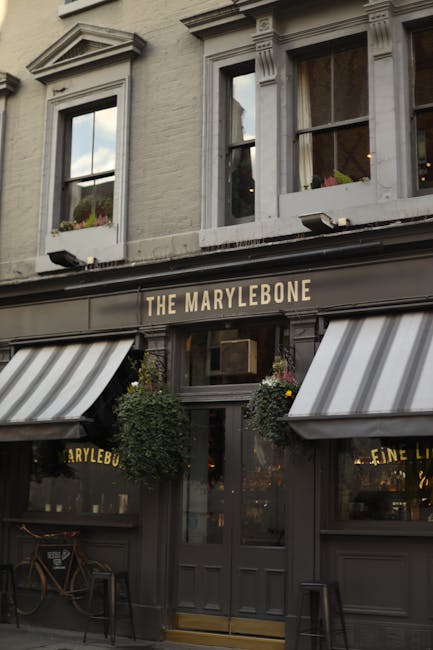
Common mistakes to avoid
Most odour problems that linger are not caused by a lack of effort. They are usually caused by the wrong effort. Here are the big ones.
- Masking the smell with air fresheners. This can buy time, but it does not solve the issue.
- Using too much shampoo or detergent. Residue attracts dirt and can lock smells in.
- Cleaning only the visible areas. Edge-to-edge treatment matters in hospitality spaces.
- Ignoring underlay or backing problems. If smoke has penetrated deeply, surface cleaning may not be enough.
- Failing to dry the carpet properly. Dampness can create a sour, flat smell of its own.
- Waiting until the odour is extreme. The longer residue builds up, the harder it is to remove.
A slightly annoying truth: if a pub carpet has been smoked around for years, one cleaning pass may improve it dramatically without fully resetting it. That does not mean the clean failed. It means the carpet has history. Some materials remember more than we would like.
Tools, resources and recommendations
You do not need a warehouse of kit, but you do need the right tools for the job. For pub carpets, the basics usually include:
- commercial vacuuming equipment with strong pickup
- appropriate pre-spray or traffic-lane treatment
- deodorising or odour-neutralising solution suitable for textiles
- hot water extraction or low-moisture cleaning equipment
- microfibre cloths and spot treatment tools
- air movers or effective drying support where available
Recommendations depend on the material. Wool-rich carpets, for example, need a more cautious approach than synthetic commercial carpeting. Heavy-duty does not mean indestructible. If the carpet has age, loose binding, or previous chemical treatment, the method should be adjusted accordingly.
If you are comparing specialist support, the following pages may help with planning and coordination: pricing and quotes, request a quote, and contact the team for a discussion about timing and access.
For venues that need a broader reset rather than a carpet-only visit, a one-off cleaning service in Marylebone can be a sensible fit alongside targeted carpet treatment.
Law, compliance, standards, and best practice
For a pub, cleaning is not just about appearance. There are sensible UK hospitality expectations around hygiene, safety, and maintaining a clean environment for staff and customers. While smoke odour treatment is not usually a regulated specialist process in itself, the way you clean should still align with good practice.
That means using products safely, following manufacturer guidance, and considering ventilation, drying, and slip risk. Wet carpets in a busy venue can become a hazard if they are reopened too early. Staff should also be aware of any access restrictions while treatment is underway.
From a practical standpoint, good practice often includes:
- clear scheduling so cleaning does not interfere with public access
- safe handling of chemicals and equipment
- careful drying procedures to reduce slip and mould risk
- appropriate sign-off before re-opening the area
- documentation of any recurring issues or remedial work
For peace of mind on operations and site safety, it can help to review insurance and safety information alongside the health and safety policy. If a venue is preparing for a tenancy handover, the end of tenancy cleaning Marylebone page may also be relevant.
And yes, in a real pub setting, sensible communication matters too. If the room smells clean but the carpet is still damp, people will notice. They always do.
Options, methods, and comparison table
Different cleaning approaches suit different levels of smoke and odour contamination. Here is a straightforward comparison.
| Method | Best for | Strengths | Limitations |
|---|---|---|---|
| Vacuuming and spot deodorising | Light smell, recent issue, routine maintenance | Fast, low disruption, useful as first response | Won't remove embedded smoke residue |
| Hot water extraction | Medium to heavy contamination, busy pub carpets | Deep fibre cleaning, good for soil and residue removal | Needs proper drying time and suitable carpet type |
| Low-moisture cleaning | Sites with limited downtime or delicate materials | Quicker drying, less water exposure | May need more than one pass for strong odour build-up |
| Targeted odour neutralisation | Smoke smell that lingers after cleaning | Addresses smell directly rather than masking it | Most effective when paired with deep cleaning |
| Combined carpet and upholstery clean | Rooms where smoke has spread through soft furnishings | More complete refresh, better long-term result | More planning and coordination required |
In most pubs, the best result comes from combining methods rather than relying on one silver bullet. There usually is not one, anyway. The cleaner the carpet, the better the room feels, but the real win is when the smell does not creep back by the next service.
Case study or real-world example
Here is a realistic example from a Marylebone-style hospitality setting. A pub with mixed lunch and evening trade had a carpeted seating area that looked fine at a glance, but staff noticed a persistent smoky, stale smell each morning. The venue used air fresheners daily, yet by mid-afternoon the odour returned, especially around the front section near the entrance.
An inspection showed the problem was not one thing. The carpet had embedded soil in the high-traffic lane, residue near the bar edge, and a build-up of smell in the upholstered seating nearby. The clean focused first on dry soil removal, then on a deeper carpet treatment, followed by odour-neutralising work and improved drying. The adjoining upholstered pieces were treated as well, which mattered more than expected.
After the work, the room did not smell "perfumed." It just smelled cleaner. That subtle difference is what people notice. Staff said the venue felt lighter in the morning, and the usual layering of deodoriser became unnecessary. That is the kind of outcome you want: less effort to keep the place pleasant, not more.
For pubs and other local spaces, related area guides such as best carpet cleaning on Marylebone High Street, Baker Street W1 flat carpet cleaning services, and cleaning advice near Regent's Park may also offer useful local context.
Practical checklist
Use this checklist before and after treatment. It keeps things simple.
- Identify the strongest smell zones in the carpeted area
- Vacuum thoroughly before any wet cleaning
- Check whether upholstery or nearby textiles are also affected
- Choose a cleaning method suitable for the carpet fibre
- Use odour-neutralising treatment, not just masking fragrance
- Allow enough drying time before reopening the area
- Review the smell once the carpet is fully dry
- Plan ongoing maintenance so the issue does not build up again
If you can tick most of those off, you are usually on the right track. If not, it may be time to bring in help.
For venue owners managing property or hospitality assets locally, the following may also be useful background reading: Marylebone property investment essentials, selling property in Marylebone essentials, and Marylebone residential life and local advice.
Get a free quote today and see how much you can save.
If you want a cleaner, fresher room without the lingering smoke note, the sensible next step is a proper assessment. That way, you get the right treatment first time, not another round of guesswork. And frankly, your carpets deserve better than guesswork.
Conclusion
Removing smoke and odours from Marylebone pub carpets is really about restoring the atmosphere of the room. A good clean removes more than visible dirt; it helps the pub feel cared for, comfortable, and ready for business again. The best results come from a careful mix of inspection, deep cleaning, targeted odour treatment, and solid drying.
If you are dealing with a light smell, early action can stop it becoming a bigger job. If the odour has been building for months, a deeper approach is usually the smarter call. Either way, the important thing is to treat the source, not just the symptom. Small change, big difference.
For a venue that wants to keep its character without the stale after-smell, that is a very good trade. Sometimes the cleanest thing you can do is make the room feel like itself again.