Cleaning guide for homes near Regent's Park, Marylebone
Posted on 22/05/2026
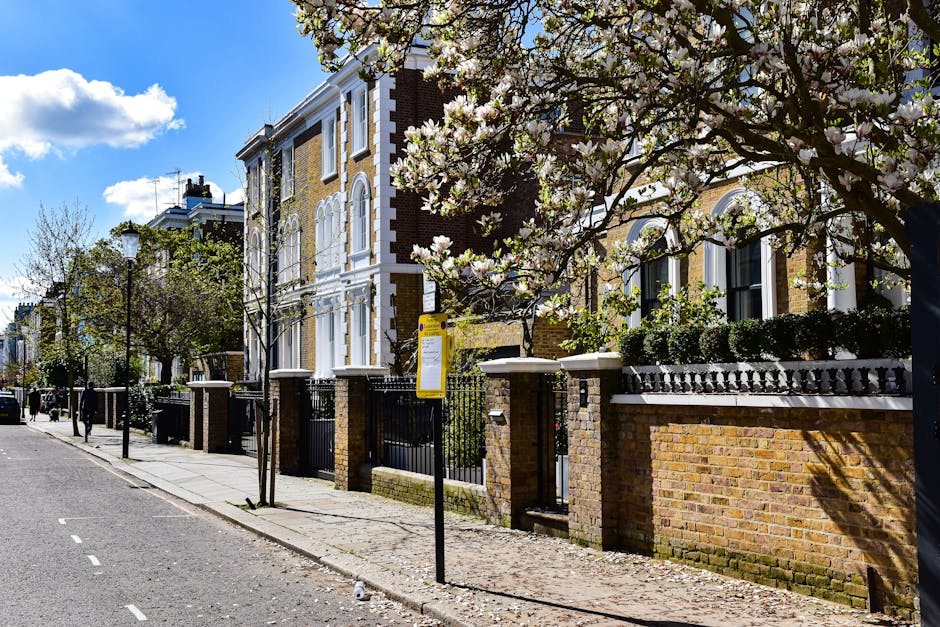
If you live close to Regent's Park, you already know the area has a particular rhythm: leafy streets, older period homes, busy mornings, and the occasional trail of city dust sneaking in through a window that was only open "for a minute". A proper Cleaning guide for homes near Regent's Park, Marylebone needs to reflect that reality. It is not just about making a place look tidy. It is about protecting fabrics, keeping floors in good condition, staying ahead of London grime, and making day-to-day life feel easier.
This guide pulls together practical advice for flats, townhouses, mansion blocks, and rental homes around Marylebone and the Regent's Park edge. You will find a clear process, room-by-room priorities, common mistakes, and a few local considerations that tend to matter more here than in a generic cleaning article. Truth be told, a well-kept home in this part of London usually comes down to consistency, not heroics.
For readers who want help beyond a DIY routine, it may also be useful to look at domestic cleaning in Marylebone, house cleaning support, or the broader services overview to see how different cleaning needs are usually handled.
Why Cleaning guide for homes near Regent's Park, Marylebone Matters
Homes near Regent's Park often face a mix of cleaning challenges that are easy to underestimate. There is urban dust from traffic, pollen in spring, wet-weather dirt in the colder months, and the usual footfall that comes with central London living. Add in period features, sash windows, decorative mouldings, natural fibres, and high-end finishes, and suddenly a "quick clean" can become a bit of a mission.
Why does this matter so much? Because in a local property market like Marylebone, presentation and maintenance are not just cosmetic. They affect comfort, property value, rental appeal, and how long fixtures last. A scuffed floor or dull carpet may seem minor for a while, but over time it changes how the whole home feels. It can also make the place feel harder to keep on top of, which is annoying, and a bit demoralising if we are honest.
There is also the lifestyle side. If you are juggling work, commutes, school runs, or frequent travel, cleaning tends to slip into the "deal with later" pile. Later arrives quickly. That is why a local, realistic approach matters. For more context on the neighbourhood and its residential feel, the article on Marylebone residential life and local advice is a useful companion read.
Expert summary: In homes near Regent's Park, the best cleaning strategy is usually a layered one: light upkeep weekly, focused room-by-room cleaning monthly, and deeper treatment for carpets, upholstery, and hidden dust points every few months.
How Cleaning guide for homes near Regent's Park, Marylebone Works
A good cleaning routine works by separating tasks into three levels: maintenance, restoration, and protection. That sounds tidy on paper, but it is really just a sensible way to stop dirt from building up where you can least see it.
1. Maintenance cleaning
This is the regular stuff: wiping surfaces, vacuuming, mopping hard floors, cleaning sinks, and keeping bathrooms presentable. It prevents grime from settling in. Around here, where many homes have polished wood, stone, or mixed flooring, maintenance cleaning needs a gentle touch. Harsh products can leave dull patches or damage the finish over time.
2. Restoration cleaning
This is your deeper clean. It targets build-up in kitchens, grout lines, skirting boards, upholstery, and carpets. If a room has started to look tired even though it is technically clean, restoration cleaning is what brings it back to life. This is where services like deep cleaning in Marylebone can make a visible difference.
3. Protection cleaning
This is the part people skip, then regret later. It includes stain protection, regular vacuuming of high-traffic areas, airing rooms properly, and choosing cleaning methods that preserve materials instead of wearing them out. With carpets and sofas especially, prevention is cheaper than repair. Not glamorous, but true.
A sensible home routine near Regent's Park also needs to account for the type of property. A small apartment will need faster, more frequent resets. A family home may need more attention to entrances, stairs, and upholstery. If you are preparing for a move, the expectations are different again, which is why end of tenancy cleaning in Marylebone is a distinct service rather than just "a bigger clean".
Key Benefits and Practical Advantages
There are the obvious benefits, like a nicer-looking home. But the real advantages go further than that.
- Better indoor air feel: Regular dust removal helps a home feel fresher, especially in rooms with carpets, curtains, and soft furnishings.
- Longer-lasting materials: Carpets, sofas, wood floors, and worktops tend to last longer when they are cleaned correctly and regularly.
- Less last-minute stress: A steady routine means you are not scrubbing limescale at 10 p.m. before guests arrive. Been there? It is not fun.
- Improved presentation: Useful if you rent, sell, host visitors, or simply care about how your home feels.
- Lower risk of stubborn stains: The quicker a spill is dealt with, the easier it usually is to remove.
- More usable space: A cleaner home is often a calmer one. Clutter and grime do have a way of making rooms feel smaller.
For homeowners thinking about resale or letting, these benefits have a commercial side too. A clean property is easier to market and easier to inspect. If that is relevant, the guide on selling property in Marylebone essentials gives a good sense of the presentation pressures local owners face.
Who This Is For and When It Makes Sense
This guide is for a wide range of people, not just those who enjoy cleaning on a Saturday morning while the kettle whistles. It is especially useful if you:
- live in a flat, maisonette, or townhouse near Regent's Park;
- own a rental property and want it kept to a strong standard;
- are moving in or out and need a reset;
- have carpets, rugs, or upholstered furniture that trap dust;
- need help staying on top of a busy household;
- prefer to mix DIY upkeep with occasional professional support;
- want to keep a property looking good between inspections, viewings, or guests.
It also makes sense if your home has features that need a little more care. Older windows, decorative plaster, polished wood, and natural stone all benefit from cleaning methods that are specific rather than aggressive. A spray-and-wipe approach can work in the wrong place, then create a bigger job later. That's the annoying bit nobody mentions.
If you are comparing services, it may help to review spring cleaning in Marylebone or one-off cleaning options for situations where a standard weekly clean is not enough.
Step-by-Step Guidance
Here is a practical process you can actually use. Nothing fancy. Just a sensible order that saves time and avoids cleaning the same thing twice.
- Start with a quick reset. Put away loose items, clear side tables, and remove anything that does not belong in the room. Cleaning around clutter is a trap. It slows you down and makes surfaces harder to clean properly.
- Open windows where safe and practical. Fresh air helps reduce that stale, closed-up feeling, particularly in compact flats. On a chilly London morning, even ten minutes can make the room feel better.
- Dust from top to bottom. Work on shelves, picture frames, light fittings, skirting boards, and then lower surfaces. If you start low and end high, dust drops onto areas you have already done. Bit maddening, really.
- Vacuum carpets and rugs carefully. Use slow passes, especially in doorways and under furniture. High-traffic paths near entrances collect grit quickly. For deeper treatment, see carpet cleaning in Marylebone.
- Clean hard floors with the right method. Use a slightly damp mop, not a soaked one. Excess moisture can damage wood and leave stone floors streaky.
- Work the kitchen in zones. Clean the hob, splashbacks, sink, handles, and fridge touchpoints. Then move to cupboard fronts and floors. Kitchens look cleaner faster when you group tasks logically.
- Focus on bathrooms last. Bathrooms benefit from dedicated attention to taps, grout, mirrors, limescale, and toilet areas. Use separate cloths where possible. Simple, but important.
- Finish with fabric and air quality. Shake cushions, straighten throws, and check upholstery for crumbs or marks. If sofas and chairs need a proper refresh, upholstery cleaning in Marylebone may be the right next step.
A useful rule: clean the things you touch most first. Door handles, switches, taps, remote controls, cupboard fronts, and banisters get grimier than people expect. It's a small habit that makes a room feel properly looked after.
Expert Tips for Better Results
These are the sorts of details that make a cleaning routine noticeably better without adding loads of extra time.
- Use microfibre cloths properly. They pick up dust well, but only if they are clean and not overloaded with product.
- Test products in hidden spots. This matters for natural stone, older woodwork, and delicate fabric. A tiny test can save a lot of trouble.
- Deal with spills quickly. On upholstery and carpets, blot first, don't rub. Rubbing spreads the stain and can rough up the fibres.
- Keep a separate kit for bathrooms. It sounds obvious, but it helps avoid cross-contamination and keeps the cleaning process more efficient.
- Pay attention to entrances. In central London, the hallway often tells the story of the whole house. Mats, runners, and regular vacuuming make a big difference.
- Rotate deep-clean tasks. You do not need to deep-clean every area every week. Rotate: carpets one month, upholstery the next, windows after that. More sustainable.
One practical local tip: if your home faces a busier road or sits close to heavier foot traffic, expect more dust at skirting level and on window ledges. Regent's Park itself is green and calm, but Marylebone streets can still bring in the city. London is London.
If you want help deciding whether a room needs a light clean or something more intensive, the best carpet cleaning on Marylebone High Street article is a good example of how local service needs can vary by property and usage.
Common Mistakes to Avoid
Most cleaning problems do not come from lack of effort. They come from using the wrong method in the wrong place, or trying to do too much at once.
- Using too much liquid: Over-wetting carpets, upholstery, or wood floors can cause staining, swelling, or long drying times.
- Mixing products carelessly: Especially in kitchens and bathrooms, combining chemicals can be unsafe. Keep products separate and read labels.
- Ignoring hidden dust zones: Under beds, behind radiators, on top of cabinets, and around curtain poles are classic miss points.
- Cleaning in the wrong order: If you mop first and dust later, you are just making extra work.
- Waiting too long to tackle stains: A fresh mark is usually easier to remove than an old one that has settled in.
- Using the same cloth everywhere: It is not ideal. Not ideal at all.
Another common mistake is treating every room the same. Kitchens need grease removal, bathrooms need scale and moisture control, living rooms need dust and fabric care, and bedrooms need a gentler, calmer routine. Different surfaces, different jobs.
Tools, Resources and Recommendations
You do not need a van full of equipment to keep a home in good condition. A focused kit is often better than a cupboard full of products you barely use.
| Tool or product | Best for | Why it helps |
|---|---|---|
| Microfibre cloths | Dusting, polishing, light surface cleaning | Good dust capture with less streaking |
| Vacuum with upholstery tools | Carpets, rugs, stairs, sofas | Reaches edges, fabric seams, and small debris |
| Soft mop or flat mop | Hard floors | Lets you control moisture more carefully |
| Non-abrasive bathroom cleaner | Taps, sinks, tiles | Helps remove scale without scratching surfaces |
| Gentle upholstery cleaner | Sofas, dining chairs, cushions | Useful for spot treatment when used carefully |
| Two buckets or separate caddies | Room-specific cleaning | Reduces cross-contamination and saves time |
When a home needs something beyond basic upkeep, it can help to look at service pages in a more targeted way. For instance, office cleaning in Marylebone is relevant if you work from home and need a clean, professional space, while pricing and quotes helps you compare options with a bit more clarity.
If you want to understand the broader company background before booking anything, about us and insurance and safety are sensible pages to review. Small thing, but it helps build confidence.
Law, Compliance, Standards, and Best Practice
For most homeowners, cleaning is a practical task rather than a regulated activity. Still, there are a few best-practice areas worth keeping in mind, especially if you hire cleaners or manage a rental property.
Health and safety: Cleaning products should be used according to instructions, with appropriate ventilation and care around children, pets, and delicate surfaces. If you are bringing in a cleaning provider, it is sensible to check how they approach safety and risk. A quick look at a provider's health and safety policy is not overkill; it is just good judgment.
Insurance: For professional cleaning, public liability insurance is a normal expectation. It does not guarantee perfection, of course, but it does show that the business takes responsibility seriously. That matters when cleaning valuable carpets, furniture, or fittings.
Terms and complaints: If you book a service, it helps to understand the terms before work starts. That is especially true for one-off or end-of-tenancy work, where scope and standards can vary. Useful references include terms and conditions and the complaints procedure. Hopefully you never need the latter, but it is reassuring to know it exists.
Data and payments: If you are booking online or requesting a quote, it also makes sense to review payment and privacy pages. For that, see payment and security and privacy policy.
In short: choose careful methods, ask sensible questions, and avoid shortcuts that could damage surfaces. The best practice is usually the boring one, which is inconvenient but true.
Options, Methods, and Comparison Table
Different homes need different cleaning approaches. A quick comparison can help you decide what makes sense for your situation.
| Approach | Best for | Strengths | Limitations |
|---|---|---|---|
| DIY maintenance cleaning | Weekly upkeep, light dust, general tidying | Low cost, flexible, easy to do regularly | Can miss deep dirt and stubborn build-up |
| One-off deep cleaning | Seasonal resets, pre-event cleaning, neglected areas | More thorough, tackles hidden grime | Usually not enough on its own for long-term upkeep |
| Scheduled domestic cleaning | Busy households, landlords, professionals | Consistency, less stress, better long-term control | Requires a recurring budget and planning |
| Specialist fabric cleaning | Carpets, sofas, dining chairs, rugs | Helps restore appearance and freshness | Needs the right method for the material |
For many households near Regent's Park, the sweet spot is a mix: regular upkeep at home, plus occasional specialist support for carpets or upholstery. If you are unsure which route is best, start with a conversation rather than guessing. That alone can save a lot of hassle.
Case Study or Real-World Example
Here is a realistic example based on the kind of situation common in Marylebone.
A couple living in a two-bedroom flat near Regent's Park had a familiar problem: the home looked fine at first glance, but it never quite felt clean. The hallway collected city dust, the sofa had a few faint marks from everyday use, and the carpet in the living room had lost its brightness near the seating area. Nothing dramatic. Just enough to make the place feel tired.
They split the work into layers. First came a proper declutter and a top-to-bottom dusting. Then they tackled the kitchen and bathroom separately, using gentler products on the stone surfaces. After that, they vacuumed carefully around the edges and under furniture, rather than doing a quick once-over. Finally, they arranged specialist help for the carpet and upholstery.
The most noticeable change was not just visual. The flat felt lighter. Less stale. More open. The kind of difference you notice when you walk in after work and think, ah yes, this is better. Not perfect, just properly looked after.
That is the point, really. In homes near Regent's Park, good cleaning is less about dramatic transformation and more about keeping the home in that quietly easy state where everything feels under control.
Practical Checklist
Use this checklist for a weekly or pre-visit clean. Keep it simple.
- Declutter visible surfaces before cleaning.
- Open windows briefly if weather and safety allow.
- Dust high surfaces, then low surfaces.
- Wipe switches, handles, and other touchpoints.
- Vacuum carpets, rugs, stairs, and edges.
- Mop hard floors with controlled moisture.
- Clean kitchen surfaces, sink, hob, and cupboard fronts.
- Descale and sanitise bathroom fixtures carefully.
- Check upholstery for crumbs, marks, or pet hair.
- Empty bins and replace liners.
- Let surfaces dry fully before putting items back.
- Book deeper help if stains, odours, or build-up remain.
Quick takeaway: The cleaner your home is maintained week to week, the less time you spend fighting stubborn dirt later. Small effort, repeated. That's the formula.
Conclusion
A smart cleaning approach for homes near Regent's Park, Marylebone is all about balance. Keep up with the basics, protect the materials in your home, and bring in deeper cleaning where it makes sense. That combination is usually far more effective than sporadic, high-effort cleaning sessions that leave you exhausted and back at square one a week later.
Whether you are caring for a compact apartment, a family home, or a rental property, the aim is the same: a cleaner space that feels calm, maintained, and easier to live in. And if you need support with carpets, upholstery, deep cleaning, or regular domestic help, there are practical options available in the area.
Get a free quote today and see how much you can save.
If you are ready for the next step, you can also request a quote or contact the team directly. Sometimes the easiest way forward is just to ask. No drama, no fuss.
And if you enjoy understanding the local context a little more, the blog has helpful reads on the charming world of Marylebone and Marylebone property investment essentials, both of which add useful background for anyone maintaining a home in this part of London.