Commercial vs domestic carpet cleaning in Marylebone
Posted on 20/10/2026
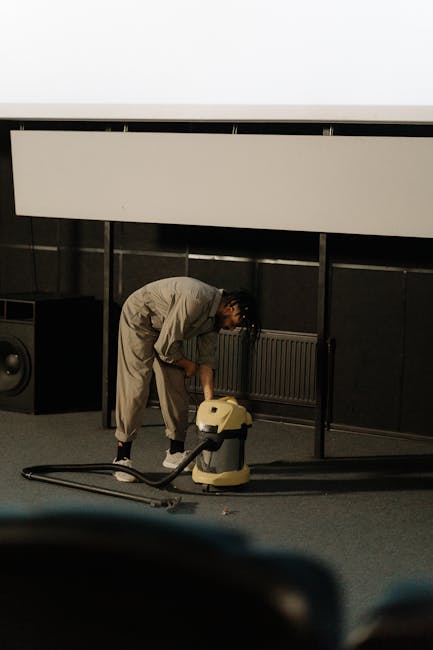
If you live or work in Marylebone, carpet cleaning is rarely a one-size-fits-all decision. A quiet flat off Baker Street, a busy office near the High Street, and a short-let apartment by Regent's Park all face different problems, different footfall, and different expectations. That is why understanding Commercial vs domestic carpet cleaning in Marylebone matters more than people often realise.
On the surface, both jobs look similar: remove dirt, refresh fibres, improve hygiene, and make the space feel cared for again. But the way you approach them can be very different. The type of carpet, the traffic level, the timing, even the drying window all change the job. In other words, if you pick the wrong approach, you can waste time, money, and probably patience too.
This guide breaks down the practical differences, when each option makes sense, how the cleaning process usually works, and what to watch out for in a busy London area like Marylebone. If you are trying to decide between domestic and commercial carpet care, you will find the comparison here refreshingly plain English.
Why Commercial vs domestic carpet cleaning in Marylebone Matters
Marylebone is a mixed neighbourhood in the best possible way. You have elegant residential streets, busy retail corners, professional spaces, managed buildings, and homes that often see a lot of coming and going. That mix creates very different carpet-cleaning needs. A domestic lounge carpet may need stain removal, pet odour treatment, or a general freshen-up. A commercial carpet, by contrast, may need regular maintenance to handle heavy footfall, coffee spills, tracked-in grit, and a tighter turnaround window.
That distinction matters because carpet fibres respond differently depending on how they are used. A home carpet usually gets slower, more localised wear. Commercial flooring tends to get compressed traffic lines, embedded soil, and faster overall deterioration if it is not maintained properly. Let's face it, a reception area that looks tired by Thursday does not help anyone.
In Marylebone specifically, the local environment can add a few extra wrinkles. Office buildings, basement flats, mews properties, and period interiors all have their own quirks. Narrow access, limited parking, shared entrances, and building management rules can affect how and when cleaning is carried out. So the question is not just "Can the carpet be cleaned?" It is "What kind of cleaning will actually suit the space?"
That is the real reason this topic deserves careful attention. Choosing the right method can help preserve carpet life, improve indoor presentation, and reduce disruption. Choosing badly can leave carpets damp, patchy, or quickly dirty again. Nobody wants to do the same job twice.
How Commercial vs domestic carpet cleaning in Marylebone Works
Although the end goal is similar, the process behind domestic and commercial carpet cleaning is usually different in scope, equipment, scheduling, and aftercare. The cleaner will typically begin with an inspection: fibre type, wear level, stains, colourfastness, and access. That initial look matters more than people think. A wool-rich domestic carpet in a sitting room does not want the same treatment as a synthetic office carpet with high foot traffic.
Domestic carpet cleaning
Domestic cleaning is generally more personalised and detail-focused. It often involves moving smaller items, spot-treating stains, vacuuming thoroughly, and selecting a method that suits the carpet and the household routine. In a Marylebone flat, that might mean working around furniture, fragile decor, or neighbours who would rather not hear a machine chugging at 7 a.m. fair enough.
Common domestic methods include hot water extraction, low-moisture cleaning, dry compound approaches for delicate situations, and targeted stain treatment. The right choice depends on the carpet itself and how quickly the room needs to be usable again.
Commercial carpet cleaning
Commercial cleaning is usually more operational. The priority is often speed, consistency, and minimal interruption to business. Offices, retail spaces, clinics, hospitality venues, and communal premises may need evening, early-morning, or scheduled weekend cleaning. The process often includes traffic-lane treatment, larger equipment, faster drying planning, and methods that can cover bigger areas efficiently.
Where possible, commercial jobs also need a maintenance mindset. A one-off deep clean can help, but regular cleaning schedules often work better for business premises because soil builds up more predictably. If the carpet is part of the client experience, presentation becomes part of the service itself.
For a more general overview of cleaning services in the area, you may find the services overview useful, especially if you are comparing several types of property care at once.
Key Benefits and Practical Advantages
Domestic and commercial carpet cleaning both have strong benefits, but the value shows up in different ways. A good clean is never just cosmetic. It changes how a space feels, smells, and functions day to day.
Benefits of domestic carpet cleaning
- Better comfort at home: carpets feel softer and fresher underfoot, especially in living rooms and bedrooms.
- Improved appearance: stains, dull patches, and traffic marks are less noticeable.
- Odour reduction: helpful in homes with pets, children, or frequent cooking smells drifting through the space.
- Longer carpet life: regular maintenance helps fibres recover and slows down wear.
- Healthier everyday environment: dust and allergens are reduced, which many households appreciate even if they do not talk about it much.
Benefits of commercial carpet cleaning
- Professional presentation: a clean floor sends a quietly powerful signal to clients and visitors.
- Reduced disruption: planned cleaning can be timed around business hours.
- Better hygiene management: useful in offices, shared workplaces, and customer-facing environments.
- Asset protection: carpets in commercial settings are expensive to replace, so upkeep makes good sense.
- More consistent standards: regular maintenance keeps high-traffic areas from getting out of hand.
The practical advantage is simple: the right type of carpet cleaning preserves the value of the space. In a domestic setting, that value might be comfort and cleanliness. In a commercial setting, it may be brand perception, staff wellbeing, or keeping the premises looking respectable all week long. Same floor, different stakes.
Who This Is For and When It Makes Sense
This topic is relevant to a lot more people than you might expect. In Marylebone, carpet cleaning decisions often come up in flats, period houses, managed blocks, offices, clinics, boutique shops, pubs, short-let properties, and rental homes. Different people need different outcomes.
Domestic carpet cleaning makes sense if you are:
- a homeowner wanting to refresh a tired room;
- a tenant preparing for an inspection or move-out;
- a landlord trying to present a flat properly between lets;
- a family dealing with spills, pet marks, or general build-up;
- someone with limited time who wants a practical reset without replacing the carpet.
Commercial carpet cleaning makes sense if you are:
- responsible for office presentation;
- managing a retail or hospitality floor;
- looking after a shared building or common area;
- coordinating cleaning around staff and visitor flow;
- trying to prevent small stains from becoming a recurring problem.
There is also a middle ground. Some Marylebone properties are technically domestic but behave a bit like commercial spaces, especially short-lets, serviced apartments, or homes with heavy visitor traffic. In those cases, you may need a more robust approach than a standard once-a-year home clean. Truth be told, the carpet does not care what the property is called. It only cares how it is used.
Step-by-Step Guidance
If you are deciding between commercial and domestic carpet cleaning, or trying to prepare a property for service, a structured approach helps. Here is a practical way to think about it.
- Identify the space type. Is it a home, office, shop, rental, or mixed-use property?
- Check the carpet material. Wool, synthetic, blends, and low-pile commercial carpets often need different treatment.
- Look at the level of wear. Is the issue a light refresh, stubborn staining, or deep soil build-up?
- Think about timing. How quickly must the room be usable again? This can rule out slower-drying methods.
- Consider access and logistics. Stairs, lifts, loading restrictions, and parking can all affect the job.
- Choose the right cleaning method. Hot water extraction, low-moisture cleaning, or targeted stain treatment may each suit different cases.
- Prepare the room. Remove small items, fragile objects, and loose clutter before the clean starts.
- Allow proper drying. Do not rush furniture back too early. That is how marks come back to haunt you.
- Set a maintenance plan. Particularly for commercial properties, regular upkeep is usually smarter than waiting for visible damage.
A helpful rule of thumb: if the carpet is part of a lived-in private home, the focus is often on comfort and care. If it is part of a working environment, the focus shifts to resilience and turnaround time. The process should reflect that.
Expert Tips for Better Results
There are a few things experienced cleaners tend to check first, and these details often make the difference between an average result and a genuinely good one.
- Test before treating: some fibres and dyes react differently, so a small test area is sensible.
- Do not over-wet the carpet: too much moisture can lengthen drying time and sometimes leave a musty smell.
- Deal with traffic lanes properly: those darker pathways in offices or hallways need targeted treatment rather than a general pass.
- Plan around occupancy: in a home, that might mean working room by room; in a business, it may mean cleaning after hours.
- Vacuum well before cleaning: dry soil can clog the process if it is left sitting on the surface.
- Think beyond the stain: a mark may be visible, but the surrounding soil can be just as important.
One small but useful tip: if a property gets regular visitors or customers, spot cleaning alone will rarely keep carpets looking good for long. A maintenance schedule tends to beat emergency cleaning. Not glamorous, but effective.
And yes, sometimes the "problem carpet" is simply overdue a proper clean. Happens more than people admit.
Common Mistakes to Avoid
Most carpet problems do not begin as disasters. They begin as shortcuts. A little spill ignored. A stain scrubbed too hard. A job booked with no thought for drying time. Small things add up, especially in Marylebone properties where space is valuable and carpets often need to look presentable at short notice.
- Choosing the cheapest option without checking the method. Low cost can be fine, but only if the approach suits the carpet.
- Using the wrong cleaning chemistry. Harsh products can damage fibres or leave residues that attract dirt.
- Cleaning too late. The longer a stain sits, the harder it is to remove cleanly.
- Ignoring drying requirements. If the space is used again too soon, the result may not last.
- Assuming all carpets are the same. They absolutely are not.
- Forgetting access logistics. In a tight London street, parking and entry can matter almost as much as the cleaning itself.
- Skipping routine maintenance. One deep clean does not replace a sensible schedule.
For commercial properties, another common slip is treating carpet care like a one-off tidy-up rather than a building management task. For domestic properties, it is often the opposite: people wait too long, then expect miracles. A fair ask? Maybe. A realistic one? Not always.
Tools, Resources and Recommendations
The right tools depend on the space and the result you want. You do not need to be a technician to understand the basics, though it helps to know what matters.
Typical tools and materials used
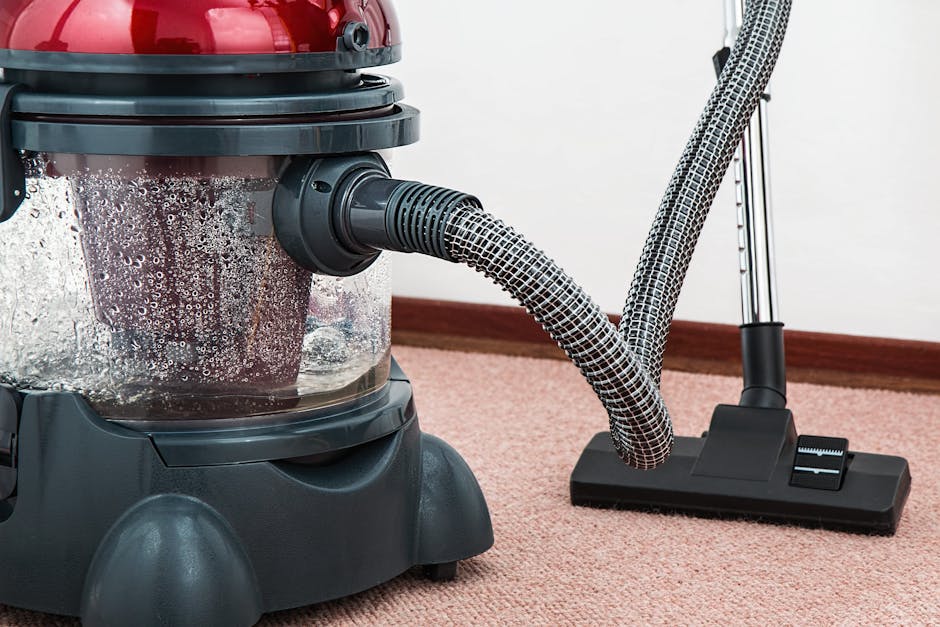
- Commercial vacuum equipment: important for removing loose soil before wet cleaning.
- Hot water extraction machines: commonly used for deep cleaning in both homes and businesses.
- Low-moisture systems: useful where quick drying is important.
- Pre-sprays and stain treatments: applied to loosen soil and tackle specific marks.
- Absorbent pads and spotting cloths: handy for localised spills and delicate work.
- Air movement equipment: helps reduce drying times where appropriate.
If you are comparing local services, it can help to look at the wider business and service information first. The about us page can tell you more about the company's approach, while the pricing and quotes page may help you understand how estimates are usually handled. For households needing a more general refresh, domestic cleaning in Marylebone may also be relevant alongside carpet care.
If you are planning broader property upkeep rather than just carpets, the deep cleaning Marylebone page and one-off cleaning service may be worth a look. They can be especially useful where a carpet clean is part of a larger reset. Sometimes that is the smartest route, honestly.
Law, Compliance, Standards, or Best Practice
For most readers, carpet cleaning is not a heavily regulated activity in the way some specialist trades are. Still, good practice matters, especially in commercial settings and shared buildings. In a place like Marylebone, where buildings can be old, access can be tight, and occupiers may have different expectations, safe and respectful working matters a great deal.
Good practice usually includes clear communication about access, drying times, furniture movement, and any temporary restrictions. If a business premises is involved, the cleaning plan should avoid creating slip risks or unnecessary disruption. Wet flooring, cables, and equipment should be managed carefully. That sounds obvious, but obvious things are the ones people sometimes forget when the day gets busy.
There are also broader responsibilities around health and safety, insurance, and staff or resident wellbeing. A professional service should be able to explain how it handles equipment use, wet work, and site protection. For businesses, this is not just a nicety; it is part of sensible premises management. For homes, it is about trust and care.
If you want to review related policies and service standards, pages such as the health and safety policy, insurance and safety information, and terms and conditions can be useful. They are not exciting reading, admittedly, but they do help set expectations properly.
For commercial premises, it is also sensible to think about routine maintenance standards rather than waiting until carpets are visibly distressed. A tidy, well-kept floor can support a better impression and reduce the need for more aggressive intervention later.
Options, Methods, or Comparison Table
Here is a simple comparison to make the choice clearer. The details may vary by carpet type and property, but this gives a useful starting point.
| Factor | Domestic carpet cleaning | Commercial carpet cleaning |
|---|---|---|
| Primary goal | Comfort, appearance, hygiene, and stain removal | Presentation, durability, hygiene, and minimal disruption |
| Typical use level | Moderate traffic, room-by-room living | High traffic, repeated daily use |
| Scheduling | Usually more flexible | Often planned outside business hours |
| Cleaning focus | Local stains, freshness, fibre care | Traffic lanes, speed, consistency, maintenance |
| Drying priority | Important, but usually manageable around home routines | Often a top priority for reopening the space |
| Best for | Homes, flats, rentals, family spaces | Offices, shops, receptions, shared premises |
| Common challenge | Furniture, delicate materials, household timing | Scale, access, footfall, and business continuity |
If you are comparing service types for a Marylebone address, this table should help narrow things down fast. That said, some properties blur the line. A busy rental flat, for example, may need commercial-style resilience even though it is technically domestic.
Case Study or Real-World Example
Imagine two Marylebone properties on the same week. One is a two-bedroom flat near a quiet residential street. The other is a small professional office with a carpeted reception and a couple of meeting rooms.
In the flat, the problem is a mix of tea marks, light soiling near the entrance, and a faint stale smell in the lounge after a wet spell. The owner wants the place to feel fresh for guests arriving at the weekend. A domestic clean makes sense here because the work can be focused around living areas, furniture, and faster room-by-room drying. The result should feel calm and comfortable, not over-processed.
In the office, the issue is different. The corridor has visible traffic lanes, the reception carpet looks dull even after vacuuming, and staff need the rooms back quickly. Commercial cleaning is the better fit because the job needs planning around opening hours, efficient coverage, and a method that tackles embedded dirt without dragging the day out. The carpet has to look professional by Monday morning. Simple as that.
Now, the interesting bit: both properties may start with similar-looking carpet, but they do not need the same solution. The use pattern changes everything. That is why the distinction between commercial and domestic carpet cleaning is not a marketing detail. It is a practical decision.
For property owners who manage rentals, sales prep, or short-let turnovers, related local advice can also be helpful. Articles like selling property in Marylebone essentials and Marylebone property investment essentials give broader context on presentation and upkeep. A clean carpet often helps the whole place feel better, even before anyone consciously notices it.
Practical Checklist
Use this checklist before booking or planning a carpet clean in Marylebone:
- Identify whether the property is mainly domestic, commercial, or mixed-use.
- Check the carpet material and condition.
- Note any stains, odours, or recurring problem areas.
- Decide how quickly the room must be back in use.
- Consider access issues such as stairs, lifts, parking, and entry timing.
- Ask whether the method suits delicate fibres or high-traffic areas.
- Confirm whether furniture needs moving or protection.
- Plan drying time realistically, not wishfully.
- For commercial spaces, check cleaning windows around business hours.
- For homes, think about pets, children, and household routines.
- Review any safety, insurance, or building access requirements in advance.
- Keep a simple maintenance schedule so the carpet does not slide backwards.
If you only remember one thing from this checklist, make it this: match the method to the way the carpet is actually used. That one decision does a lot of heavy lifting.
Conclusion
Commercial and domestic carpet cleaning in Marylebone may sound like a narrow topic, but in practice it sits right at the intersection of property care, presentation, and common sense. Homes need comfort, freshness, and stain control. Businesses need efficiency, consistency, and a clean impression that holds up under daily use. Same town, same street sometimes, but very different priorities.
The best choice depends on traffic level, carpet type, access, drying time, and how the space is used day to day. If you get those basics right, the results tend to be better, last longer, and feel more worthwhile. And if you are still unsure, that is completely normal. A quick, informed conversation usually clears it up.
Get a free quote today and see how much you can save.
With the right approach, a carpet can go from tired and overlooked to quietly doing its job again. And honestly, that small change can make the whole room feel lighter.


