Avoid fines: carpet hygiene standards for Marylebone businesses
Posted on 29/07/2026
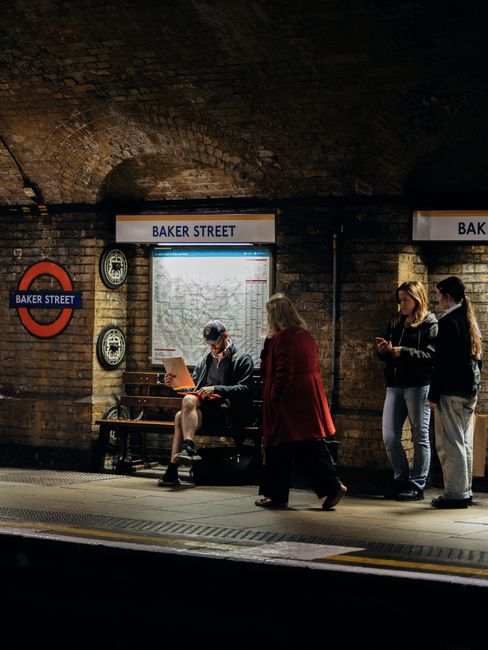
If you run a business in Marylebone, carpets are doing more work than most people realise. They soften the look of a reception, absorb daily footfall, and quietly shape first impressions before a client has even sat down. But they also carry risk. Poor carpet hygiene can create complaints, slip hazards, unpleasant odours, and in some settings a very avoidable compliance headache. This guide on Avoid fines: carpet hygiene standards for Marylebone businesses explains what matters, how to stay ahead of problems, and what a sensible cleaning routine looks like in real life, not just on paper.
To be fair, most business owners are not trying to cut corners. They are busy. Staff change, seasons change, the weather changes, and suddenly a busy Monday leaves wet footprints, coffee marks, and a stubborn smell near the entrance. The good news? A clear carpet hygiene system is not complicated once it is broken into steps. And yes, it can help protect your reputation as well as your budget.
Why carpet hygiene standards matter
Carpet hygiene is not only about appearances. In Marylebone, where offices, boutique shops, hospitality spaces, landlords, and professional services all operate in close quarters, a neglected carpet can trigger a chain of problems. Dirt gets ground deeper into fibres, moisture lingers, odours build, and the space starts to feel less cared for. That is the kind of thing people notice immediately, even if they never mention it out loud.
In business terms, carpet hygiene connects to three practical risks: customer perception, staff wellbeing, and property condition. A receptionist may not say much about a dull, dusty walkway, but clients will feel the difference when they walk through the door. Likewise, regular exposure to dust, allergens, damp patches or spill residue can make an office or retail space less comfortable. And if carpets are stained, mouldy, or badly maintained, a landlord or inspector may see it as a sign that the premises are not being managed properly.
There is also the local angle. Marylebone businesses often operate in high-value, high-visibility premises, which means expectations are a little sharper. A clean carpet is not luxury theatre. It is part of the baseline. If your space feels fresh, people assume other things are organised too. Funny how that works, isn't it?
For businesses with public access, the issue can become even more practical. Entrances collect grit from pavements, especially in wet weather. Meeting rooms collect chair marks and dust. Hospitality venues pick up food residue and drink spillages. The sooner these are dealt with, the less likely they are to become a recurring problem. If you want a broader look at local professional options, the carpet cleaning Marylebone service overview is a useful starting point.
Key takeaway: carpet hygiene is a small operational habit with outsized consequences. Clean carpets reduce complaints, support safety, and help businesses avoid the kind of preventable issues that lead to fines, disputes, or reputation damage.
How carpet hygiene standards work in practice
There is no single magic rulebook for every carpeted business in Marylebone. Instead, carpet hygiene standards work as a combination of legal duties, building expectations, health and safety practice, lease obligations, and common-sense housekeeping. The exact standard depends on the type of premises and the risks involved. An office lobby is not the same as a cafe entrance, and a serviced apartment is not the same as a treatment room. Context matters.
At the practical level, the system usually has four layers:
- Daily control: remove visible dirt, spot clean spills, and keep entrances from becoming mud traps.
- Routine maintenance: vacuum properly, rotate attention to high-traffic areas, and check for early signs of wear or odour.
- Periodic deep cleaning: use professional or specialist methods to remove embedded soil, allergens, and residues.
- Record keeping and response: note issues, action them quickly, and show that cleaning is not random or forgotten.
That last part is easy to overlook, but it matters. If a complaint is ever raised, a business that can show a sensible maintenance routine looks far more credible than one that simply says, "We clean it when we get round to it."
In many Marylebone premises, the biggest pressure comes from foot traffic and weather. In autumn and winter, wet shoes drive in grit and moisture. By spring, that trapped dirt can start to dull the carpet colour and leave a musty smell. A routine built around the actual rhythm of the business usually works better than a rigid once-a-year approach. If you need a more detailed service that covers deeper fabric care alongside flooring, you may also find deep cleaning in Marylebone helpful.
There is a simple rule of thumb: if a carpet looks fine but smells stale, feels sticky, or seems to soil again quickly after vacuuming, the cleaning system is not doing enough. That is often where hidden residue, compacted dust, or excess moisture has crept in.
Key benefits and practical advantages
Staying on top of carpet hygiene brings more than compliance reassurance. The benefits show up in daily operations, even before anyone talks about inspections or penalties.
- Better first impressions: a fresh carpet helps a business feel organised and well run.
- Reduced complaint risk: fewer odours, fewer stains, fewer awkward conversations with customers, staff, or landlords.
- Longer carpet life: dirt acts like sandpaper inside fibres, so regular care can delay replacement.
- Improved indoor feel: a cleaner surface contributes to a more pleasant working environment.
- Lower disruption: routine maintenance is easier to schedule than emergency restoration.
- Stronger tenant and lease management: for landlords and managing agents, cleaner carpets help preserve asset condition.
One thing businesses often notice only after improving their routine is how much brighter the whole space feels. Not just visually. The room sounds different too; less dull, less heavy, a little more open. That sounds poetic, perhaps, but it is very real.
There is also a commercial angle. A shop, office, or hospitality venue that looks cared for tends to attract more trust. Clients may not consciously analyse the carpet, yet they will sense the difference between "managed daily" and "left until it becomes a problem." In a place like Marylebone, where presentation matters and word travels quickly, that difference is worth protecting.
If your site also includes fabric seating, rugs, or waiting-area upholstery, coordinated maintenance makes sense. You can explore related support through upholstery cleaning Marylebone and keep the whole room working as one clean system.
Who this is for and when it makes sense
This topic matters to a wider group than many people first assume. It is not just for hotels or restaurants with obvious spill risks.
- Office managers who need to keep reception areas, meeting rooms, and shared walkways tidy.
- Retail owners who want to stop entry dirt from creeping into display spaces.
- Hospitality operators dealing with drink spillages, food debris, and constant visitor flow.
- Landlords and property managers aiming to maintain standards between occupancies.
- Serviced apartment hosts who need quick turnaround cleaning without cutting corners.
- Professional practices where calm, clean interiors support trust.
It also makes sense after certain events or seasonal periods. A busy December, a spring refresh, a tenant handover, or a one-off commercial launch can leave carpets looking tired very quickly. That is usually the moment people realise the old routine was not enough. Truth be told, carpets tend to reveal neglect at the worst possible time.
For landlords and agents, a good maintenance plan is especially useful when preparing a property for inspection or new occupancy. If you are juggling broader local property matters, the article on selling property in Marylebone essentials offers some useful context about presentation standards in the area.
And if your business model involves regular guests, parties, or evening trade, carpet hygiene needs to be more proactive than reactive. Spills do not wait politely for the morning cleaner. They just sit there. Very rude of them.
Step-by-step guidance
Here is a practical way to build a carpet hygiene routine that feels manageable rather than overwhelming.
1. Map the risk zones
Start by identifying the busiest, dirtiest, or most complaint-prone areas. This is usually where shoes enter, chairs move constantly, or drinks are carried past. In many premises, the problem is not the whole carpet. It is two or three recurring zones that need extra attention.
2. Set a daily cleaning baseline
Vacuum high-traffic areas every day where possible. Spot-clean visible spills as soon as they happen. The aim is to prevent soil from settling in. A small mark handled immediately is easy; the same mark left for a week becomes a far bigger job. Everyone in facilities knows this, but it still gets missed.
3. Use a proper spill response method
Do not rub aggressively. Blot, lift, and work from the outside in. Use the right cleaning approach for the fibre type and stain type. If moisture is involved, avoid over-wetting. Carpets that dry slowly can smell stale or develop hidden issues, especially in cooler rooms with limited airflow.
4. Build a weekly inspection habit
Walk the space once a week with a sharp eye. Check for dark tracks, edges that trap debris, flattened pile, and any damp or musty patches. You do not need a clipboard the size of a phone book. Just a consistent habit and a simple note of issues.
5. Schedule periodic deep cleaning
Routine vacuuming is not enough on its own. At intervals that suit the building use, arrange a deeper clean to remove embedded soil, allergens, and residue. Frequency depends on footfall, business type, and carpet condition. A high-traffic office may need it more often than a quiet studio. If you are planning a fuller maintenance cycle, spring cleaning in Marylebone can be a helpful seasonal reset.
6. Keep simple records
Record when checks were done, what was found, and what action was taken. This does not need to be elaborate. A basic log can be enough to show that carpet hygiene is being managed rather than guessed.
7. Review the routine after busy periods
After events, long wet spells, or staff changes, revisit the plan. What worked in a quiet month may not work during a busy one. That is normal. The point is not perfection; it is control.
Expert tips for better results
In our experience, the best carpet hygiene systems are the ones that are boring in the best possible way. Predictable. Repeatable. Hardly glamorous, but very effective.
- Use entrance control. Mats, regular shoe-wipe checks, and cleaner thresholds cut down on soil dramatically.
- Do not let moisture linger. Drying time matters as much as the clean itself.
- Pay attention to edges and corners. Dirt collects there first, then spreads.
- Choose methods to match the fibre. Wool, synthetic blends, and natural fibres behave differently.
- Clean for the season. Winter mud and summer dust are not the same problem.
- Pair carpet care with air movement. Good ventilation helps reduce stale odours.
A practical trick that often helps is to think in zones, not rooms. The route from entrance to reception, reception to meeting room, and meeting room to washroom usually gets the worst wear. Focus there first. It sounds obvious, and yet people keep vacuuming the low-risk corners because they are easy to reach. Human nature, eh?
Another useful habit is to coordinate carpet care with other cleaning services. If you are already arranging regular support for a workspace, a combined plan may save time and keep standards more consistent. The services overview is useful if you want to see how different cleaning tasks fit together. For scheduled business premises support, office cleaning Marylebone may also be worth reviewing.
Common mistakes to avoid
Most carpet hygiene failures are not dramatic. They are little oversights that pile up.
- Waiting too long to clean spills. The stain gets deeper, the odour gets stronger, and the fix gets pricier.
- Using too much water. Over-wetting can create drying issues and hidden smell problems.
- Relying on vacuuming alone. It helps, but it will not remove every build-up.
- Ignoring high-traffic routes. These areas wear faster and show dirt sooner.
- Skipping records. If something goes wrong, no one wants to be guessing about the last clean.
- Assuming one method suits every carpet. That is rarely true.
A common mistake in Marylebone premises is underestimating how quickly entrance carpets pick up grime from wet pavements and nearby road dust. By late afternoon, a carpet can look tired even if the rest of the room is tidy. That mismatch is what catches the eye.
Another one: trying to mask smell with fragrance rather than fixing the source. A sweet spray over stale carpet is not a solution, just a short-lived cover-up. People notice. They always notice.
Tools, resources and recommendations
You do not need a massive equipment list to keep standards high. A few sensible tools, used properly, usually outperform expensive clutter gathering dust in a cupboard.
- Commercial vacuum cleaner: for consistent pickup on busy floors.
- Microfibre cloths and blotting pads: useful for immediate spill response.
- Appropriate spot-cleaning products: selected for carpet fibre and stain type.
- Entrance mats: one of the cheapest and most effective prevention tools.
- Cleaning log: digital or paper, as long as it is actually used.
- Professional deep-clean support: for periodic restoration and maintenance.
If you want a one-off reset after a busy season, the one-off cleaning Marylebone option can be a practical fit. For broader domestic-style support in mixed-use premises or residential conversions, domestic cleaning Marylebone and house cleaning Marylebone may be relevant depending on the property setup.
It also helps to understand the company behind the service. If you are comparing providers, the about us page can give useful background, while insurance and safety is worth checking whenever work is being done in occupied premises. Small detail? Not really. It is the stuff that prevents surprises.
Law, compliance, standards and best practice
Carpet hygiene in a business setting sits within broader responsibilities for cleanliness, safety, and premises upkeep. The exact rules that apply depend on the use of the building, the lease, and the nature of the work carried out there. It is sensible to treat this as a risk-management issue rather than a box-ticking exercise.
At a general level, businesses should think about:
- Health and safety obligations: keeping floors clean enough to reduce slip and hygiene risks.
- Fire and escape considerations: ensuring carpets and cleaning practices do not obstruct safe movement.
- Occupier and landlord expectations: many leases require premises to be kept in good order.
- Industry best practice: regular cleaning, moisture control, and prompt issue reporting.
- Environmental care: using suitable products and disposing of waste responsibly.
If your premises involve waste removal, bulky carpet replacement, or event-related clean-up, compliance becomes broader than the carpet itself. For that side of things, the article on Westminster Council rules for carpet waste and disposal is a useful companion read, as is bulky carpet disposal in W1. If carpet cleaning forms part of an event setup or breakdown, see permits for carpet cleaning at Marylebone events for local operational context.
For people who want the shortest possible version: keep the carpet clean, keep it dry, keep a record, and do not ignore repeat problems. That really is the core. The rest is detail.
Options, methods, and comparison table
Different carpet cleaning methods suit different business settings. The right choice depends on fibre type, drying time, traffic level, and how quickly the room needs to be back in use.
| Method | Best for | Strengths | Watch-outs |
|---|---|---|---|
| Routine vacuuming | All business premises | Fast, low cost, prevents soil build-up | Does not remove embedded residue or stains |
| Spot cleaning | Fresh spills and isolated marks | Quick response, reduces permanent staining | Requires correct product and gentle technique |
| Hot water extraction / deep clean | High-traffic areas and periodic maintenance | Removes deeper dirt and odour sources | Needs drying time and careful moisture control |
| Low-moisture maintenance clean | Busy premises needing faster turnaround | Shorter drying time, less disruption | May not suit every stain or heavy build-up |
In a busy Marylebone office, low-moisture maintenance can be useful between deeper cleans. In a hospitality space, a stronger deep-clean cycle may be needed because spills and odours develop faster. There is no single winner here. The best method is the one that matches your actual use, not the one that sounds most impressive in a brochure.
If you are unsure what would fit your premises, the safest approach is to look at the business pattern first: footfall, opening hours, carpet material, and how quickly areas must dry. That tends to tell you more than any generic advice.
Case study or real-world example
A small professional office near Marylebone High Street had a recurring issue with the carpet at the entrance and the main meeting room. It was not visibly filthy, which is why the team kept pushing the problem aside. But every time visitors arrived after a rainy day, the entrance area looked dark and felt slightly damp. In meetings, there was also a faint stale smell that nobody wanted to mention. Classic awkward office problem.
The fix was straightforward once they stopped treating it as one problem. They added a stronger entrance mat, increased vacuuming on wet days, started spot cleaning immediately after drinks spills, and booked a periodic deep clean for the main traffic zones. They also made one staff member responsible for a weekly quick check. Nothing fancy.
Within a short period, the carpet looked more even, the odour problem faded, and the space felt sharper again. More importantly, the team stopped worrying that the next visitor would notice the smell before the handshake. That kind of peace of mind counts for a lot.
The lesson is simple: most carpet hygiene issues are not fixed by a huge overhaul. They improve when someone owns the routine and the routine is realistic enough to survive a busy week. That is usually the difference between "managed" and "always catching up."

Practical checklist
Use this checklist as a quick internal review for your premises.
- Are entrance areas cleaned more often than low-traffic zones?
- Are spills blotted and treated as soon as they happen?
- Is there any persistent smell, damp patch, or stain that keeps returning?
- Are carpets vacuumed with enough frequency for foot traffic levels?
- Do you have a planned deep-clean schedule rather than an emergency-only approach?
- Are moisture-heavy methods being dried properly?
- Do staff know what to do when a spill occurs?
- Are cleaning logs or maintenance notes being kept?
- Has the carpet routine been reviewed after busy seasons or events?
- Are associated items like mats and upholstery being maintained too?
If you answer "no" to more than a couple of those, the routine probably needs tightening. Not a crisis. Just a nudge in the right direction.
For businesses that want a professional service route, you can also explore pricing and quotes when comparing options, or go straight to request a quote if you already know the job needs attention.
Get a free quote today and see how much you can save.
Conclusion
Carpet hygiene standards are one of those business basics that only feel invisible when they are working well. Once they slip, the consequences show up fast: stains, smells, complaints, more cleaning expense, and sometimes avoidable compliance stress. The good news is that a sensible routine is not difficult to build. It just needs consistency, clear ownership, and the occasional deeper clean before problems become obvious.
For Marylebone businesses especially, the bar is high because presentation matters and expectations are close to the surface. A clean carpet helps your space feel calmer, more professional, and better cared for. And that is worth protecting. In a busy area like this, small standards create a big difference, day after day.
If you want support from a local team that understands these pressures, you can browse the wider Marylebone carpet cleaning blog for related guidance and practical local insights.


